𝐿𝑜𝓋𝑒 is in the air… and on land, and up in the trees, and in the sea!
This Valentine’s Day, we are featuring some of the most romantic animal species found in ASEAN and their unique biological love languages.
Check out each card, and tell us which animal is the most romantic for you!
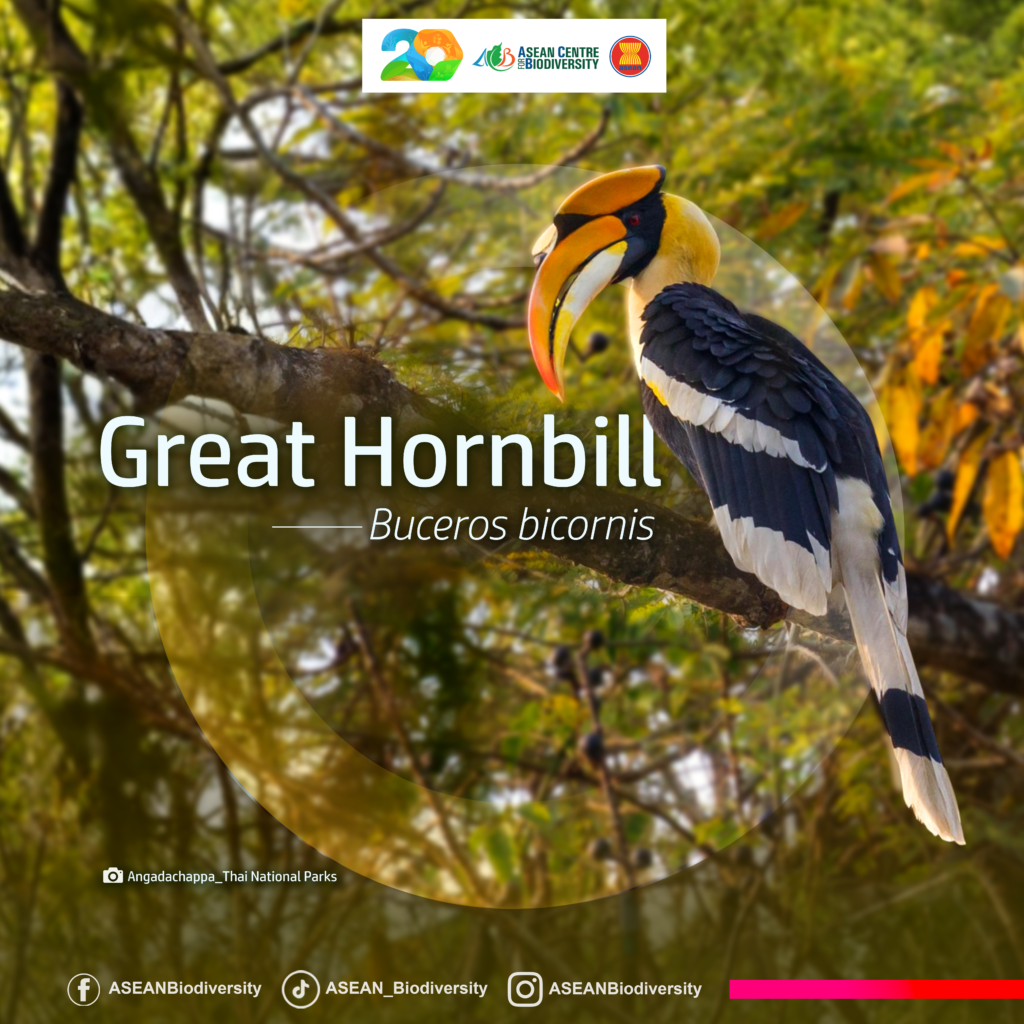
Living in the dense, evergreen forests of Southeast Asia, the Great Hornbills are known to be monogamous throughout their lives, and their elaborate courtship process will surely melt the hearts of every romantic!
The males are consistent and patient during courtship and continue to fully provide for their lifelong partners and their chicks.
The bond of a Great Hornbill couple is so profound that they are known to die of a broken heart if separated. This fact made the Great Hornbill a classic symbol of undying love and loyalty. Now that’s a gold standard for #relationshipgoals!
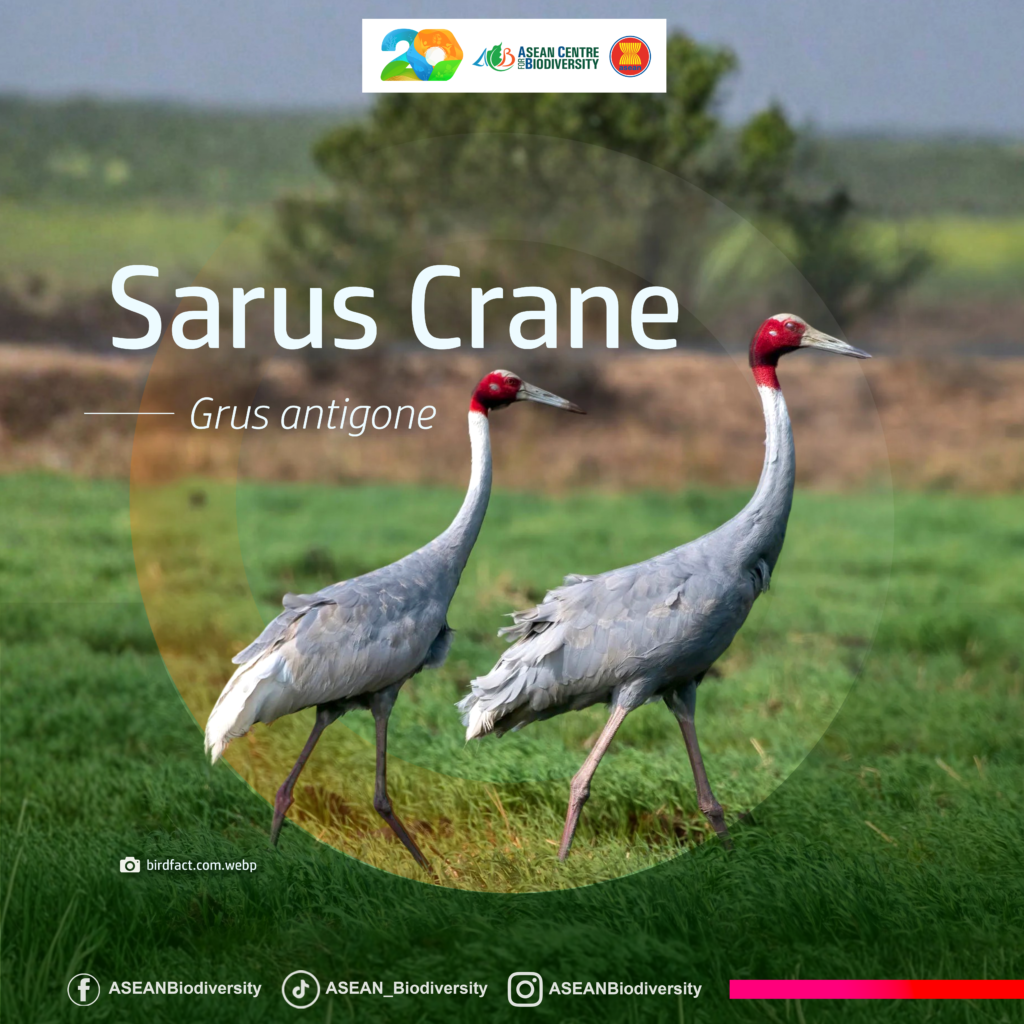
If you believe in monogamy, the Sarus Crane might be an adorable species for you!
These wetland birds are often found in pairs—dancing in cornfields and engaging in pair-bonding behaviours. They also perform courtship dances, which are common to cranes. In addition, this bird also symbolises unconditional love, devotion, and good fortune.
Although they are already extinct in Malaysia, the Philippines, and Thailand, they still exist in Cambodia, Lao PDR, Myanmar, and Viet Nam. It is listed under the IUCN Red List as Vulnerable, so we might as well show some love to this bird by safeguarding its species from further destruction!
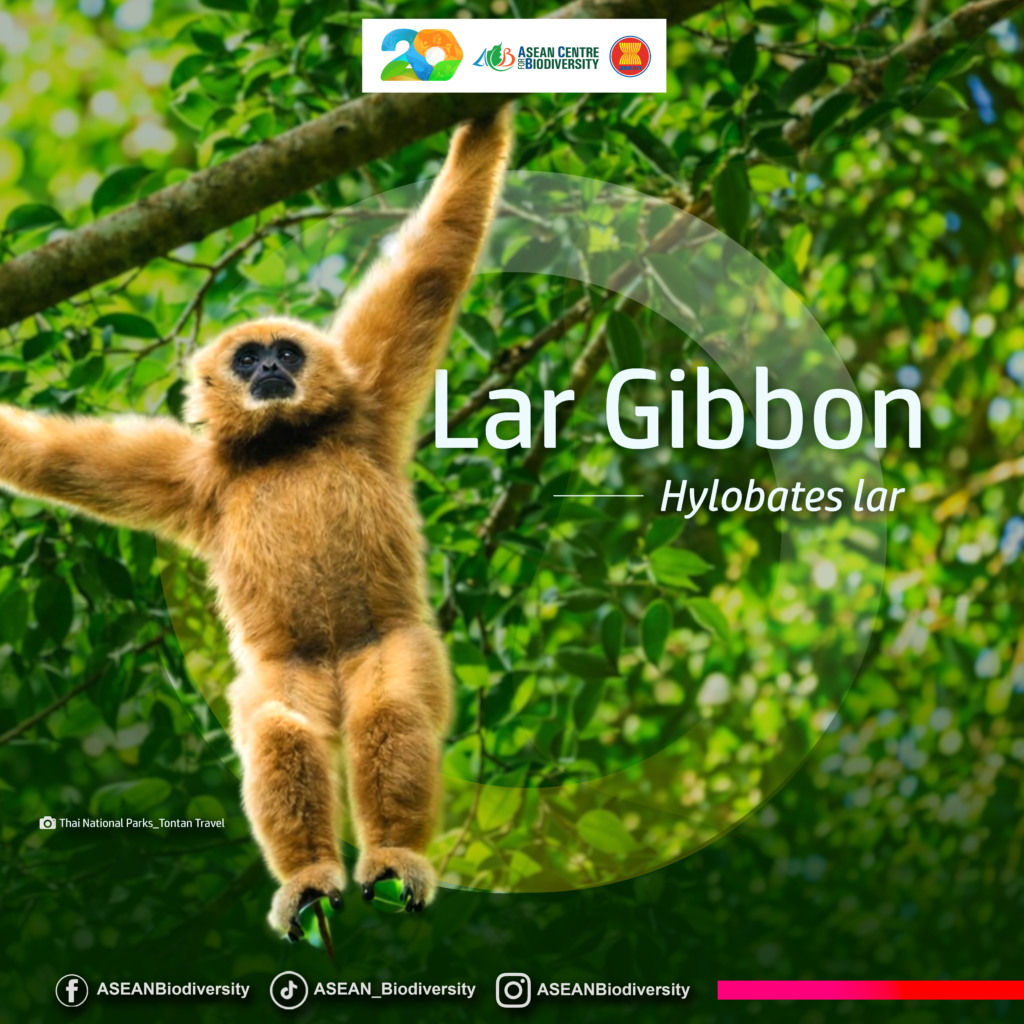
The “singing ape” of the jungle, the Lar Gibbon or Common Gibbon, is not your typical,
pro-independent species. Traditionally, a strictly monogamous animal, they tend to bond in pairs or in groups of up to six members and communicate by singing. Once the perfect mate is found, the Lar Gibbon stays loyal for life.
One caveat is that the females of this kind are the ones prone to engaging with multiple male partners to choose those who have better genetic quality or to reduce infanticide risk.
Sadly, the Lar Gibbon is an Endangered species on the IUCN Red List, as it is hunted both for subsistence food use and for the pet trade.
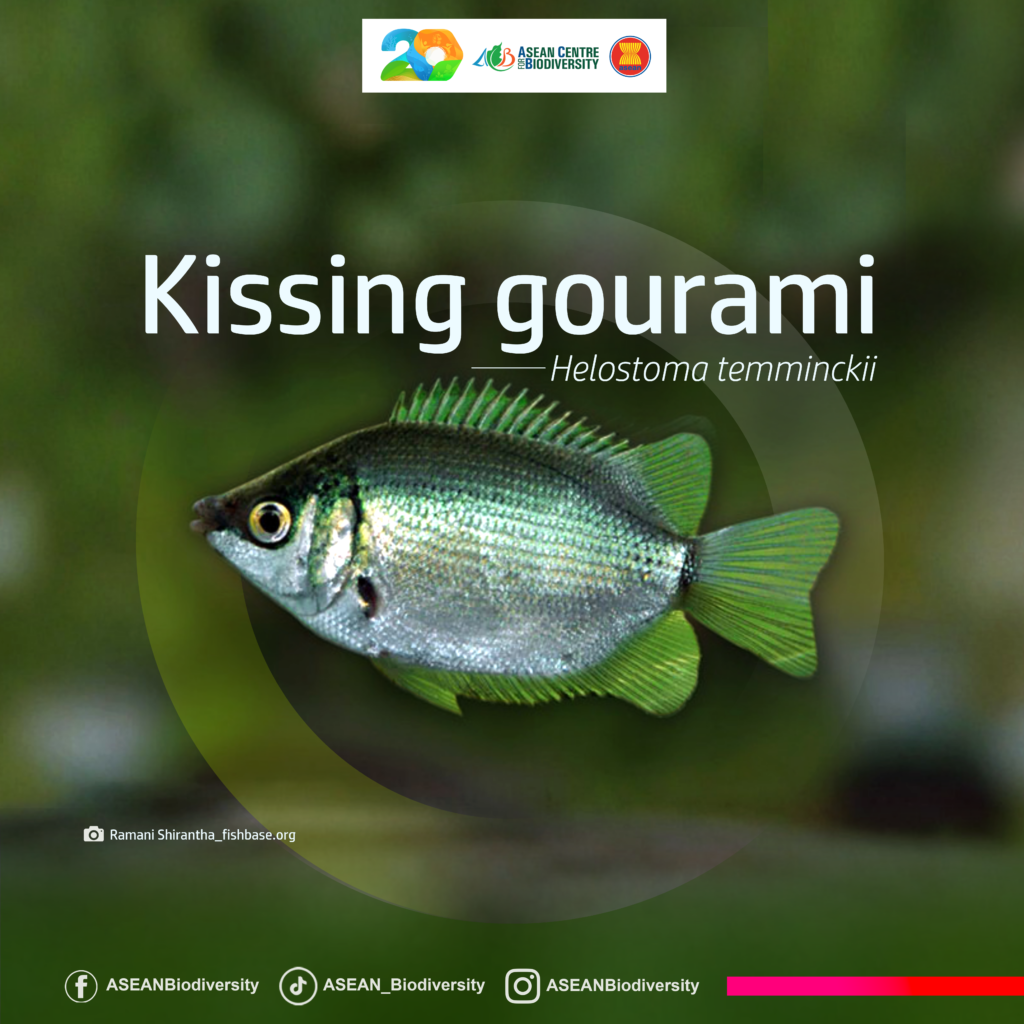
Also known as the Kisser fish, the Kissing gourami is a freshwater fish native to Thailand, Sumatra and Java (Indonesia), and Borneo (Malaysia).
It is known for having strong, fleshy lips, which they use for kissing things like rocks, plants, and food. They often give a long smooch to another male, but it is not a romantic one. This behaviour establishes dominance and fights for territories.
It is quite different during courtship as it performs a “pre-spawning dance”, and when a certain pair is ready to mate, they circle each other, and the male wraps his body around the female, turning her upside down, at which point she releases eggs to be fertilised.
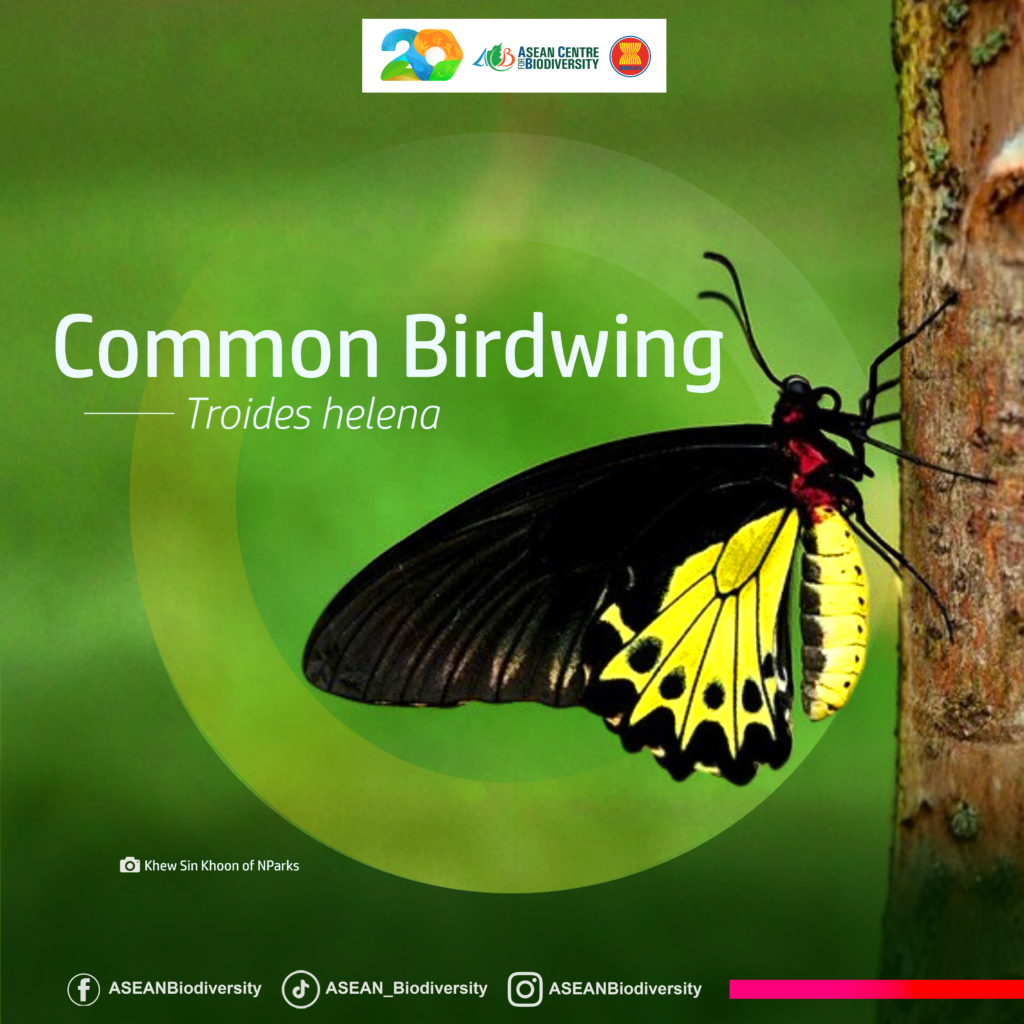
While the Great Hornbill courts a female by regularly bringing food and protecting the female, the Common Birdwing is often a very aggressive suitor and is known for its relentless pursuit.
Flaunting its vibrant colours of gold, red, and black, it performs an exquisite dance over the female and releases pheromones. The male charms the female butterfly to like him, and the female stays if she is interested, but flies away if she is unimpressed.
Its large and bright wings inspire some butterfly collectors; that is why it is protected under the Convention on International Trade in Endangered Species of Wild Fauna and Flora (CITES) to prevent over-exploitation and international trade.