Dr. Jerome L. Montemayor
Executive Director, ASEAN Centre for Biodiversity (ACB)
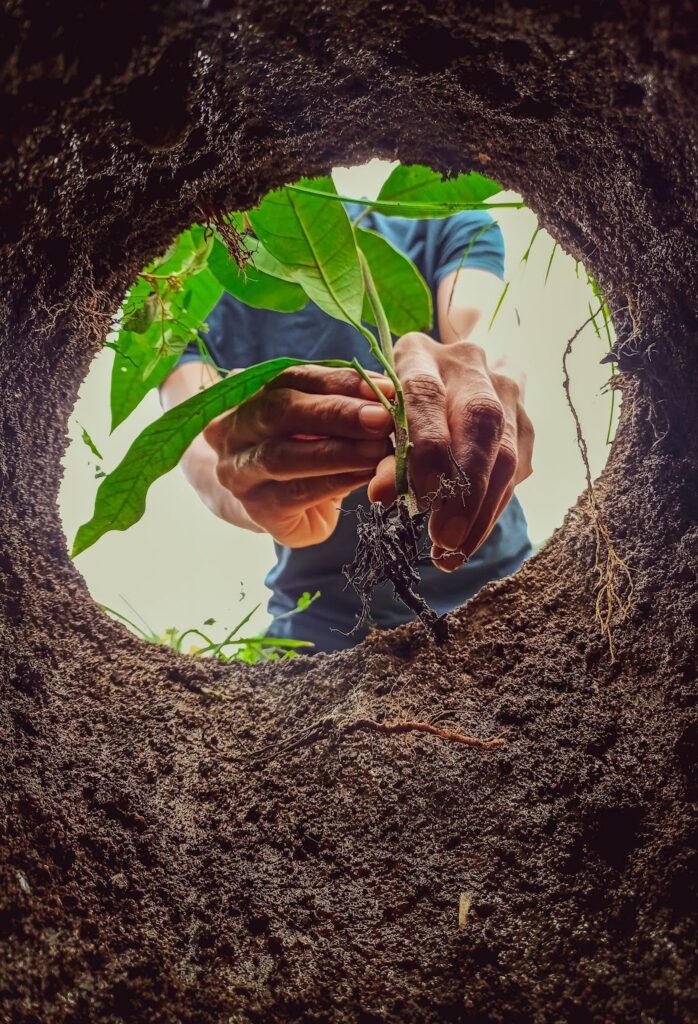
When we think of forests, we often picture towering trees, overgrown vines, and lush greens. We also think of the variety of wildlife slithering through its grounds, hanging in branches, or soaring through its dense canopies. Seeing forests as a mere scenic backdrop overlooks their role as a living and changing driver of regional economic success. In emphasising the economic value of these natural systems, we can gain new appreciation for why conserving, restoring, and sustainably using forests is not just good for the environment but also a viable investment for building a more sustainable and prosperous future.
Today, the ASEAN Centre for Biodiversity (ACB) joins the global community in the observance of the International Day of Forests with the theme “Forests and Economies”. This is a welcome opportunity for us to see the bigger picture and appreciate the vital role of our forests not just in ensuring environmental sustainability but also in supporting Southeast Asia’s growing economy.
Forests as engines of economic growth
ASEAN has over two million square kilometres of forests. This accounts for about 47 per cent of the region’s total land area. It serves as home to approximately 80 per cent of the world’s plant and animal species and is an important source of valuable raw materials for various industries. Birdwatching, or avitourism, for example, which largely depends on forest biodiversity, is considered a dynamic, high-value tourism model that supports habitat conservation and drives the local economy. According to the Birdwatching Tourism Market (2026-2033), this contributes to the global birdwatching market projected to reach approximately USD73.28 billion in 2026, with Asia-Pacific identified as the fastest-growing market at a compound annual growth rate of 7.8 per cent. In Malaysia alone, it was estimated that the average package price per person for birding activities is RM6,500. Around 5,663 birdwatchers are expected to visit Malaysia by the end of the year, generating RM36.8 million in revenue (Tourism Malaysia).
In addition, forests also contribute to carbon sequestration, water regulation, and disaster risk reduction. Because of this, forest ecosystems significantly contribute to economic growth. According to ASEAN Key Figures 2025, the region accounts for over half of the global economic activity. With the increase in the combined Gross Domestic Product of all ASEAN Member States (AMS), ASEAN has remained as the world’s fifth largest economy, contributing around 3.5 per cent to the total global output.
However, these numbers come with a cost. These natural resources bear the brunt of meeting the demand for various forest products and supporting continuous economic growth and forest-dependent communities. Climate change, as well as other activities such as agriculture, logging, mining, and hunting, has added pressure and contributed to the decline of forest cover in recent decades. ASEAN forests are declining by 8,000 square kilometres each year.
It is not without hope, though. In the ASEAN Key Figures 2025, Indonesia, the Philippines, and Viet Nam experienced modest increases in forest coverage, while Brunei Darussalam was able to maintain its cover and remains the country with the highest forest coverage in the region at 72.1 per cent. These numbers reflect our progress in forest conservation but still highlight the need for continuous efforts in sustainable forest management across all the AMS.
Forest protection through regional collaboration
As one of the world’s technical and scientific cooperation support centres (TSCC) for the implementation of the Kunming-Montreal Global Biodiversity Framework (KM GBF), the ACB collaborates with its subscribed countries to advance flagship initiatives that are aligned with the objectives and targets of the KM GBF.
As an example, the ASEAN Green Initiative, an ecosystem restoration initiative of the region, aims to plant at least 10 million native trees across the AMS in 10 years, in line with the UN Decade on Ecosystem Restoration. This is also related to Target 2 of the KM GBF, which aims to ensure that at least 30 per cent of areas of degraded terrestrial, inland water, and marine and coastal ecosystems are under effective restoration by 2030.
The ACB also maintains biodiversity databases such as the ASEAN Clearing-House Mechanism and the ASEAN Biodiversity Dashboard, collating key information on species counts and identifying the significance of such species for maintaining ecosystem health. The Centre likewise improves protected area management by providing capacity development opportunities and supplementary funds for important resources, such as additional forest guards, and for activities such as smart biodiversity monitoring. These aid in preventing further forest destruction, thereby enhancing the sustainable supply of goods and services from biodiversity/protected areas.
The ASEAN region also prioritises integrating biodiversity considerations in key development sectors, including forestry. To this end, the ACB and FAO worked together on a project called, Development of Programming Directions on Forest Biodiversity Mainstreaming in Asia-Pacific. This collaboration was intended to analyse the current state of knowledge and experience regarding biodiversity mainstreaming in the Asia-Pacific region and identify regional priorities and programming directions for forest biodiversity mainstreaming, which significantly contributed to the advancement of forest biodiversity mainstreaming and sustainable forest management in the Asia-Pacific region.
The ACB and FAO likewise collaborated in providing technical support and capacity building on ecosystem restoration monitoring and reporting under Target 2 of the KM GBF. Under this agreement, the ACB, FAO and the Secretariat of the Convention on Biological Diversity (CBD) co-organised the inaugural subregional dialogue on Target 2 ecosystem restoration monitoring and reporting in September 2025.
In addition, the ACB is working with the Ministry of Primary Resources and Tourism of Brunei Darussalam in providing technical support for ecosystem restoration monitoring and reporting, including the application of the Framework for Ecosystem Restoration (FERM). This also aims to strengthen data sharing and reporting mechanisms to further enhance regional cooperation and contribute to the achievement of Target 2 of the KM GBF.
Recognising the youth as strong conservation allies, the ACB is also partnering with the Association of Filipino Forestry Students – University of the Philippines Los Baños in the Philippines in organising the Philippine Forestry Youth Summit 2026. This three-day event aims to discuss and deepen youth understanding of forests and forestry as both vital ecosystems and key drivers of resilient and inclusive economies. Later this month, the ACB will also participate in this year’s Philippine Mangrove Conference with the theme, “Ensuring Accountable Pathways for Resilient Communities”. Organised by the Global Mangrove Alliance Philippines and the DENR Biodiversity Management Bureau, this is an opportunity to unite science, policy, innovation, and community voices in one gathering.
On this celebration of International Day of Forests, the ACB amplifies its call on governments, the private sector, civil society, women, the youth, Indigenous Peoples, and all ASEAN citizens to actively participate in forest conservation and ecosystem restoration initiatives, especially in preserving our protected areas. There is an urgent need for us to work together, accelerate efforts, and boost investments in sustainable forest management. This begins by going back and recognising the immense value of our forests and how much our businesses, economies, and lives depend on them.
Let us join forces so that lush green forests would not just be a rare sight or, worse, merely a beautiful memory of the past. Let us make forest conservation everyone’s business and ensure a resilient and vibrant economy for ASEAN.