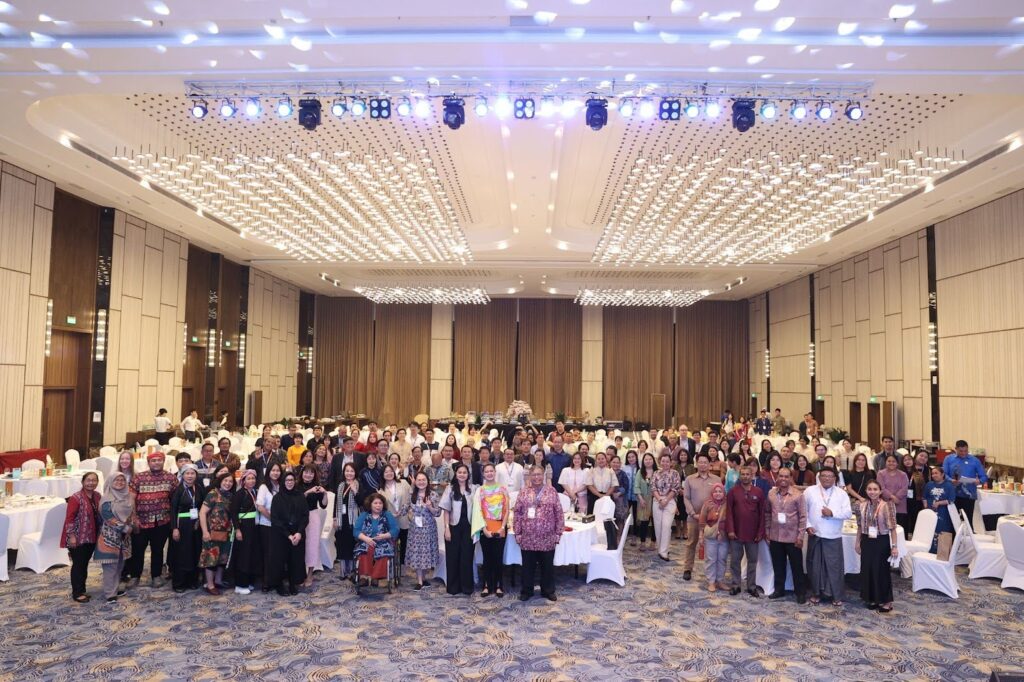
More than 300 participants attended the AHP Conference that affirmed the importance of ASEAN Heritage Parks in contributing to the global biodiversity plan.
HALONG CITY, Quang Ninh—Showcasing the crucial role of the ASEAN Heritage Parks, the sole network of outstanding protected areas in Southeast Asia in the implementation of the global biodiversity plan in the region, the Eighth ASEAN Heritage Parks Conference (AHP8) was successfully held from 2 to 5 December 2025 in Viet Nam.
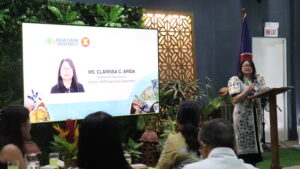
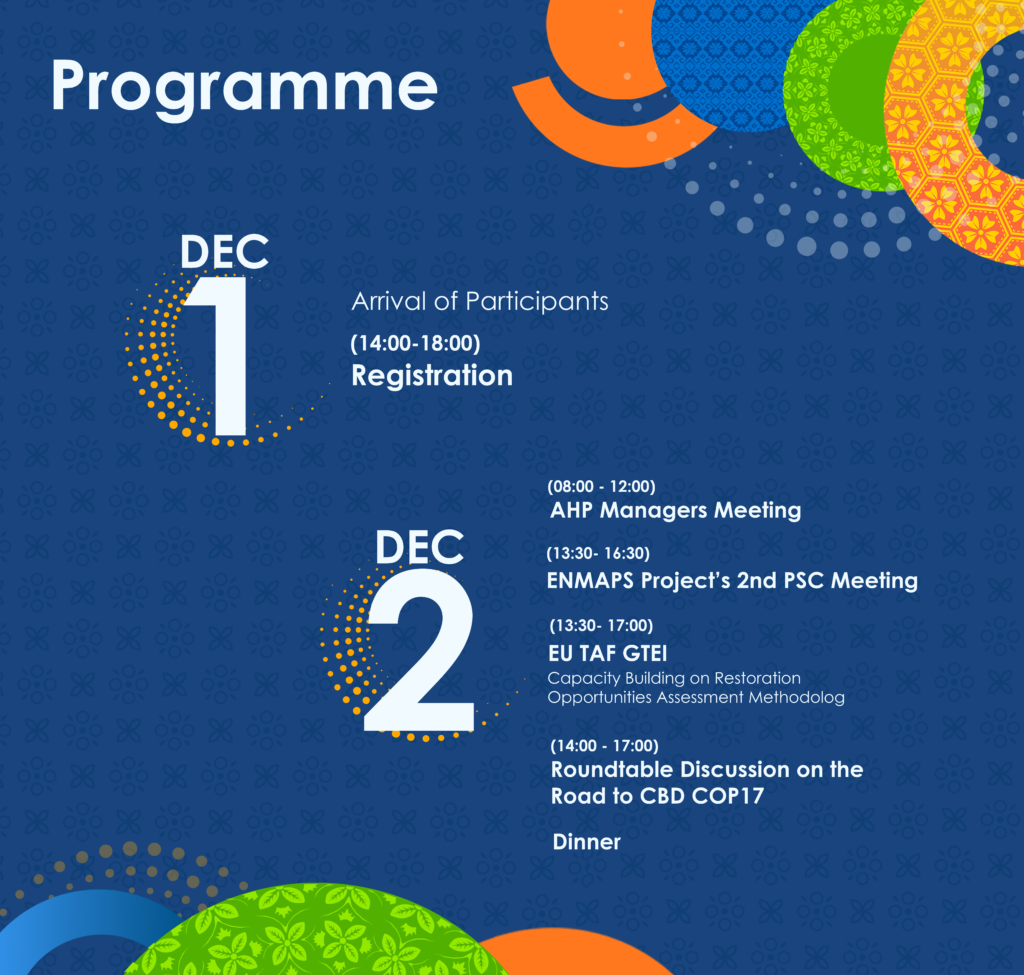
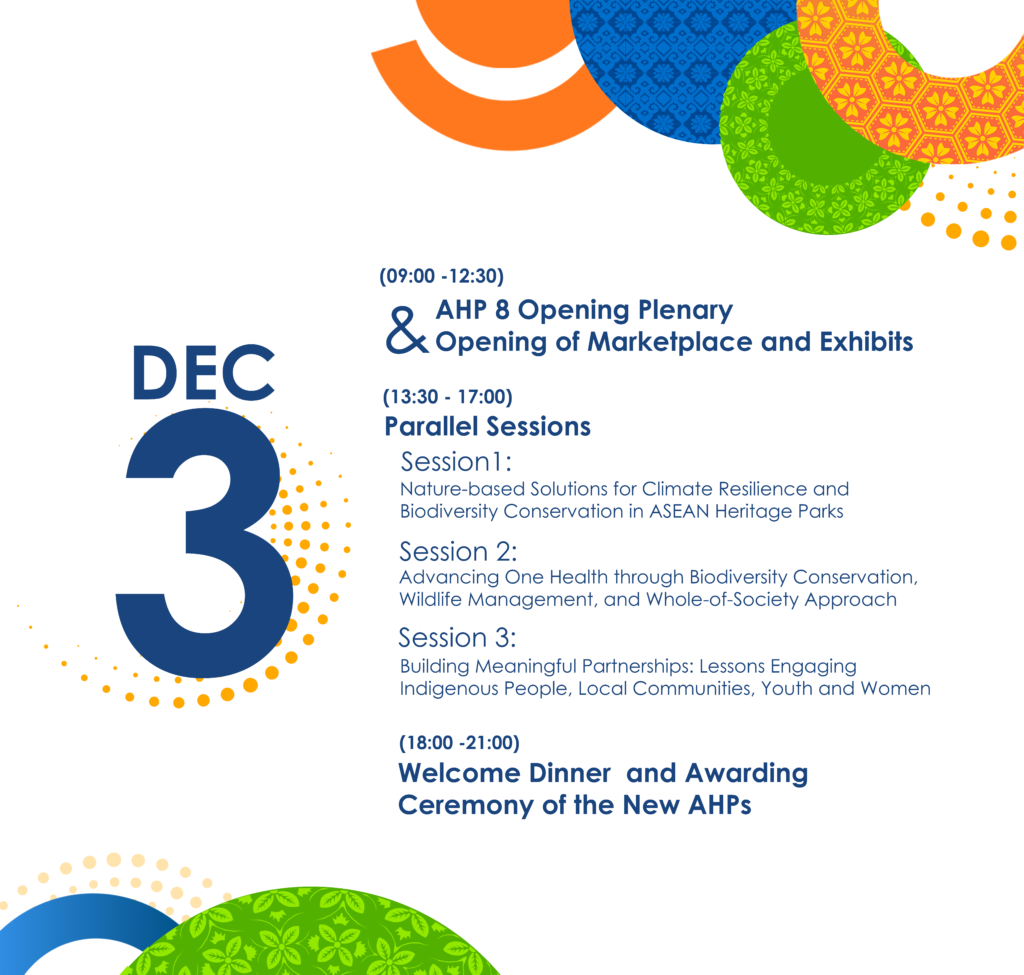
AHP8 was composed of plenary and parallel sessions designed to advance the conservation agenda and to provide a platform for insightful dialogues and for developing concrete actions and specific ways forward. Key presentations delved on the opportunities and challenges of the Kunming-Montreal Global Biodiversity Plan and the ASEAN Biodiversity Plan in the next five years, the current status and trends in biodiversity, and reflections of the AHP7 Conference which was held in Indonesia in 2022. Parallel sessions revolved around nature-based solutions, One Health, meaningful engagement of the youth, women, Indigenous Peoples and local communities, ecosystem restoration, the 30×30 target, and sustainable finance and resource mobilisation for protected area management.
With the theme, “ASEAN’s contribution to achieving the Biodiversity Plan”, the regional conference successfully gathered over 300 protected area management experts, conservationists, policymakers, youth leaders, media practitioners, and key persons from local communities, business sector, and non-government organisations. After the usual plenary and parallel sessions, exhibitions, and sharing of knowledge and experience among the AHP8 participants, what’s next for ASEAN?
The first step: acknowledging the challenges
Southeast Asia, though rich in natural resources, is faced with a number of challenges that hinder its capacity to realise the region’s biodiversity targets and the Kunming-Montreal Global Biodiversity Framework (KM GBF) or the global biodiversity goals and targets.
These challenges, as revealed by the AHP8, include the following concerns: lack of coordinated action among stakeholders leading to fragmented decision-making and inefficient conservation efforts; gaps in ecosystem-specific protection resulting in varying levels of attention across different habitat types; financing gaps that limit the ability to secure reliable, long-term resources for addressing the diverse operational needs of protected area management; and having non-standardised and non-interoperable data-sharing systems that limit efficient information exchange.

Stunning performances delighted the participants and provided a glimpse of the rich culture and colour of Viet Nam.
AHP8 likewise served as a strategic approach of the ASEAN Centre for Biodiversity (ACB), the secretariat of the AHP Programme, to identify the areas where the AHPs need technical and financial support. The ACB was also designated as one of the regional and subregional technical and scientific cooperation support centres for the implementation of the KM GBF. This puts the ACB in a better position to provide more capacity development and financing opportunities for the ASEAN Member States (AMS) that would boost the region’s contribution to achieving the 23 global biodiversity targets.
Currently, the AHPs and other protected areas benefit from the following livelihood and conservation projects of the ACB: the KfW-supported Small Grants Programme: the Effectively Managing Networks of Marine Protected Areas in Large Marine Ecosystems in the ASEAN (ASEAN ENMAPS) project with UNDP; and the Enhancing Conservation and Restoration of Wetlands and Peatlands in ASEAN as Effective Sinks and Reservoirs of Greenhouse Gases (EnCORE Wetlands) project under the ASEAN-UK Transition Fund.
Crucial role of ASEAN’s protected areas in realising the KM GBF
The AHP8 scientific breakout sessions showcased ongoing initiatives and opportunities for collaboration. Nature-based solutions offer a multitude of ecosystem services and serve as powerful natural climate buffers that need further scaling up across the region. The biodiversity and health nexus outlined ways to integrate protected areas and other effective area-based conservation measures or OECMs into the One Health approach for enhanced natural resources management and addressing the interlinked environment, animal, and human health risks.
ASEAN’s key contribution to Target 3 of the KM GBF that calls for the conservation of at least 30 per cent of terrestrial, inland water, and coastal and marine areas is the AHP Network itself. This vital network of protected areas and strengthening management effectiveness would further accelerate regional contribution towards meeting this essential target. Meanwhile, best practices in ASEAN’s ecosystem restoration is demonstrated through the flagship programme, ASEAN Green Initiative (AGI). Together with AHPs, the AGI exemplified science-based approaches that inform laws, policies, and strategic directions while creating an enabling environment for effective conservation and restoration.
As for sustainable finance, innovative financing mechanisms have already been piloted in several AMS, revealing that financial planning models in AHPs demonstrate that protected areas can diversify revenue streams, provide livelihood opportunities with the locals and reduce reliance on government budgets while improving conservation outcomes. Payment for ecosystem services or PES, community-based financing, and engaging with the private sector were cited as schemes that should be scaled up. More importantly, the AHP8 showed that ASEAN can close its biodiversity finance gap and lead the global transition for a nature-positive future by promoting policy reforms, innovative financial instruments, developing strong institutions, and empowering local communities who act as primary guardians of biodiversity.
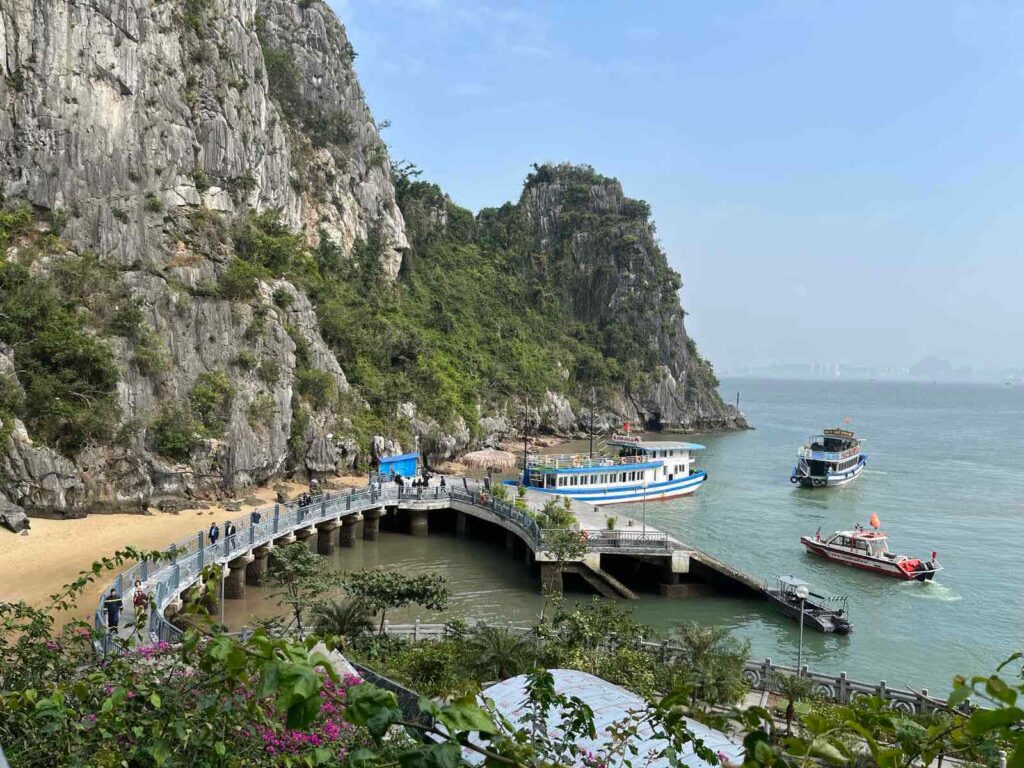
AHP8 offered participants a field trip to Ha Long Bay, a UNESCO Heritage Site famous for its limestone karsts and genteel emerald green waters—a peek into the lush marine biodiversity of the host country, Viet Nam.
Overall, the AHP8 underscored the active role of youth, women, indigenous peoples, and local communities as vital stewards of biodiversity conservation, calling to ensure their strong presence and voices are heard for conservation to succeed. To maximise the benefits of these protected areas, robust governance systems supported by modern scientific tools and approaches are needed to turn science into action that reflects aligned policies across sectors, transparent decision-making and planning, stakeholder ownership, and an expanded network marked by significant improvement in management effectiveness. Advancing these actions will directly support the achievement of KM GBF Targets 2, 3, 7, 9, 14, and 17, and will also help realize Targets 4, 5, 8, 10, 11, 19, 22, and 23. Conservation of protected areas in general can also support the UN Sustainable Development Goals, particularly SDG 13 (climate action), 14 life below water), and 15 (life on land).
Call to action
The key outcomes of the AHP8 are the recommendations and calls to action for the AHP managers, the AMS, and the ACB.
For the AHP managers and staff, the AHP8 recommends the following next steps:
- Prioritise targeted conservation initiatives for vulnerable ecosystems to safeguard ecological integrity and strengthen resilience.
- Promote innovative and diversified approaches to resource mobilisation to support long-term conservation and management of AHPs.
- Integrate local and indigenous knowledge by recognising and embedding traditional ecological knowledge with scientific research, ensuring policies reflect diverse perspectives and community realities.
For the ASEAN Member States, especially the policymakers, below are the calls to action:
- Strengthen national policies to support the meaningful participation of Indigenous Peoples, local communities, women, youth, and private sector, recognising their contributions to effective and inclusive governance of protected areas.
- Promote incentive-based approaches to conservation as a means to enhance stakeholder participation and reinforce resilient and sustainable management of AHPs.
- Build sustainable partnerships with the private sector and businesses to drive positive conservation outcomes and strengthen protected area management.
- Strengthen transboundary collaboration to safeguard and sustainably manage shared biodiversity.
Lastly, the ACB as the secretariat of the AHP Programme, is requested to:
- Strengthen regional and international cooperation to improve protected area management effectiveness.
- Promote and facilitate cross-site learning to share best practices, lessons learned, and innovative approaches across AHPs.
- Strengthen and standardise data-sharing systems to improve interoperability and enable more efficient exchange of information among AHPs and AHP stakeholders.
Quality over quantity
The AHP Programme has been in existence for over four decades, and it has declared 69 AHPs as part of this dynamic network. Among the highlights of the AHP8 was the awarding of certificates to the new AHPs from 2022 to 2025.
Held during the welcome dinner, key officials who graced the occasion were Dr. Nguyen Quoc Tri, Vice Minister, Ministry of Agriculture and Environment of Viet Nam; Mr. Nguyen Van Cong, Vice Chairman, Provincial People’s Committee of Quang Ninh Province; and Mr. Ky Anh Nguyen, Director for Sustainable Development, ASEAN Socio-Cultural Community of the ASEAN Secretariat.
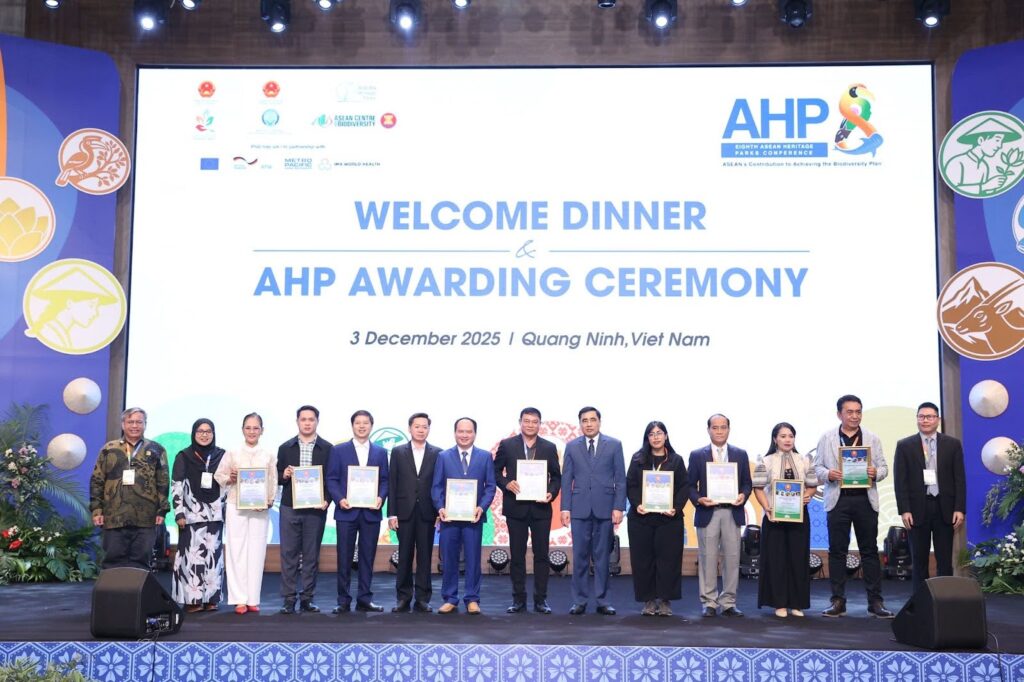
The AHP Secretariat formally recognised 18 new AHPs from Viet Nam, the Philippines, Malaysia, Thailand, and Lao PDR during the AHP awarding ceremony.
One of the highlights of the AHP8 is the awarding of certificates of the 52nd to 69th AHPs, which included the following:
- Pasonanca Natural Park (Philippines)
- Mt. Inayawan Range Natural Park (Philippines)
- Bach Ma National Park (Viet Nam)
- Con Dao National Park (Viet Nam)
- Phu Khieo Wildlife Sanctuary-Nam Nao National Park (Thailand)
- Phu Kradueng National Park (Thailand)
- Phou Xieng Thong National Protected Area (Lao PDR)
- Balinsasayao Twin Lakes Natural Park (Philippines)
- Turtle Islands Wildlife Sanctuary (Philippines)
- Apo Reef Natural Park (Philippines)
- Nam Poui National Protected Area (Lao PDR)
- Royal Thai Army Nature Education Center (Bang Pu) (Thailand)
- Tengku Hassanal Wildlife Reserve (Malaysia)
- Bako National Park (Malaysia)
- Lambir Hills National Park (Malaysia)
- Pu Mat National Park (Viet Nam)
- Dong Nai Culture and Nature Reserve (Viet Nam)
- Xuan Thuy National Park (Viet Nam)
The AHP8 Conference was organised by the ACB in partnership with the Nature and Biodiversity Conservation Agency of the Ministry of Natural Resources and Environment of Viet Nam, with support from the European Union through the Technical Assistance Facility to the Green Team Europe Initiative (TAF-GTEI) and the KfW through the Small Grants Programme of the ACB, Metro Pacific Investments Corporation, and IMA World Health. The AHP Conference is conducted by the ACB every three years with the help of its conservation partners, the ASEAN Secretariat, and the AMS.