Dr. Jerome L. Montemayor
Executive Director, ASEAN Centre for Biodiversity
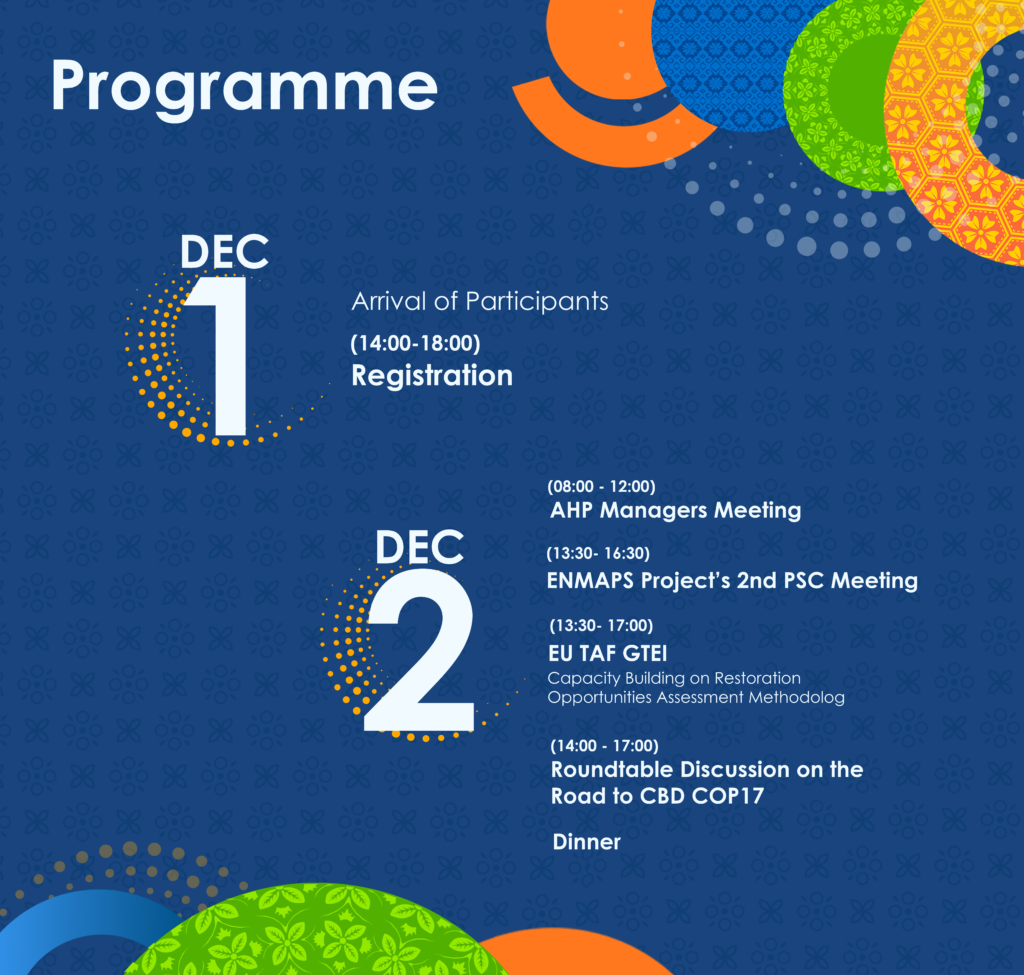
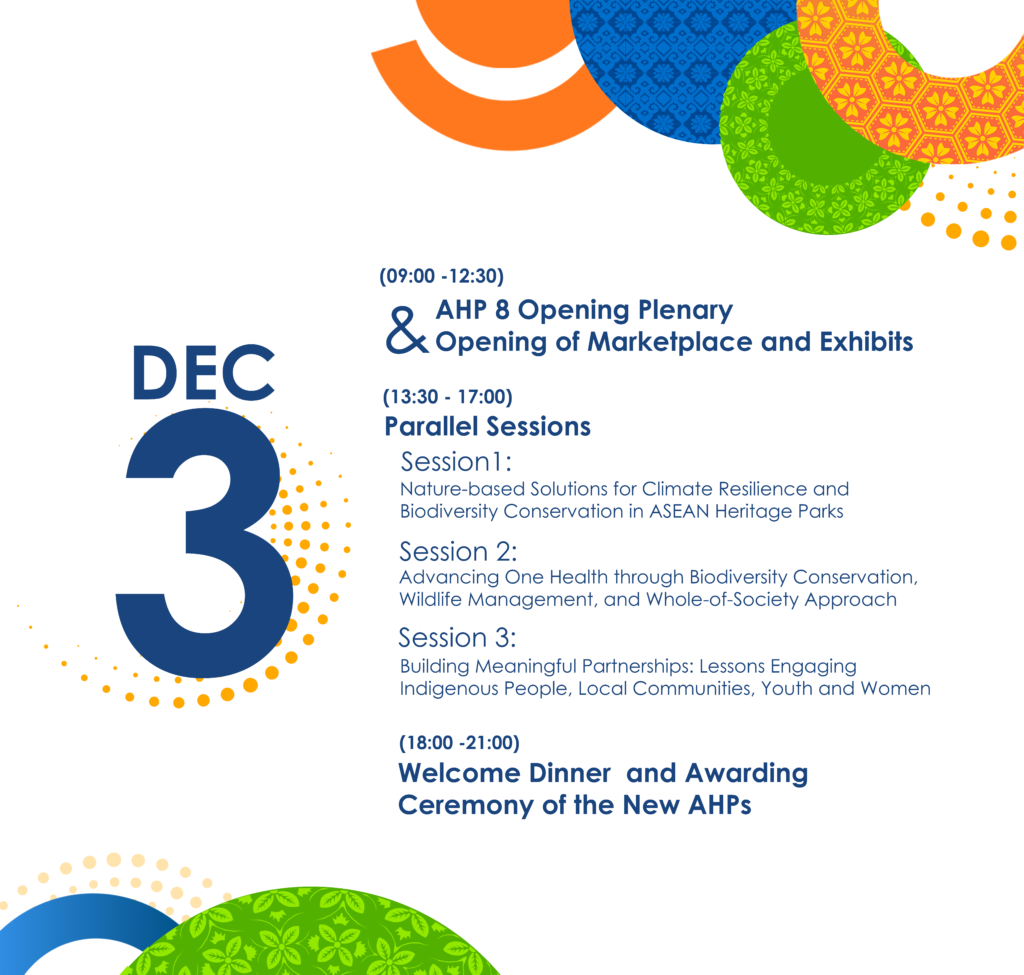
In a few days, the Eighth ASEAN Heritage Parks Conference (AHP8) will begin in Quang Ninh Province, Viet Nam. Convened every three years, the conference gathers AHP managers, protected area authorities, technical experts, and institutional partners to enhance knowledge, strengthen partnerships, and build capacities for effective protected area management.
As we celebrate the 41st anniversary of the AHP Programme today, a few days before AHP8, the ASEAN Centre for Biodiversity (ACB) puts the spotlight on these heritage parks and nature reserves—exceptional windows to Southeast Asia’s vibrant natural and cultural heritage. These AHPs are not only homes for ASEAN’s most iconic flora and fauna, but are actual on-the-ground laboratories for ecological restoration, climate resilience, and sustainable livelihoods for local communities.
With the theme “ASEAN Heritage Parks: ASEAN’s Contribution to Achieving the Biodiversity Plan”, AHP8 focuses on the role these heritage parks play in aligning regional efforts with broader biodiversity goals. This conference comes at a critical time for biodiversity conservation, with just around five years remaining to achieve the 23 targets of the Kunming-Montreal Global Biodiversity Framework (KM GBF) set in 2022. Two years later, the ASEAN Biodiversity Plan (ABP) was launched at the 16th Meeting of the Conference of the Parties to the Convention on Biological Diversity (COP 16). This plan offers a strategic roadmap for the region to enhance biodiversity conservation, sustainable use, and equitable benefit-sharing, while contributing to the KM GBF.
The AHPs showcase incredible rich biodiversity, unique ecosystems, and outstanding conservation values. The network contributes to the region’s protected area system. It offers examples of best practices on effective and inclusive management and supports community-based conservation. These are also powerful platforms for education and outreach, making them critical to achieving regional and global biodiversity goals.
From 11 original sites when the programme began in 1984, the network has now grown to include 69 designated sites across the region, and we expect to have more with the recent accession of Timor-Leste to the ASEAN.
AHP8 highlights how these sites advance nature-based solutions, climate action, and inclusive governance in alignment with the KM GBF and the ABP. It will feature plenary sessions, parallel technical discussions, interactive exhibits, and field visits to showcase best practices in protected area management and ecosystem restoration. Furthermore, the conference is an opportunity to advance biodiversity targets by highlighting vital roles and by engaging Indigenous Peoples, local communities, women, and youth in conservation and safeguarding biodiversity, ecosystem restoration, and sustainable financing in these protected areas.
As the AHP Secretariat, the ACB will present the newly declared AHPs with their certificates. These are: Phu Kradueng National Park, Thailand (57), Phou Xieng Thong National Protected Area, Lao PDR (58), Balinsasayao Twin Lakes Natural Park, Philippines (59), Turtle Islands Wildlife Sanctuary, Philippines (60), Apo Reef Natural Park, Philippines (61), Nam Poui National Protected Area, Lao PDR (62), Royal Thai Army Nature Education Center (Bang Pu), Thailand (63), Tengku Hassanal Wildlife Reserve, Malaysia (64), Bako National Park, Malaysia (65), Lambir Hills National Park, Malaysia (66), Pu Mat National Park, Viet Nam (67), Dong Nai Culture and Nature Reserve, Viet Nam (68), and Xuan Thuy National Park, Viet Nam (69).
Another highlight of the three-day conference is the closing ceremonies of the Small Grants Programme of the ACB, an initiative that aims to strike the balance between biodiversity conservation and livelihood improvement that is being supported by the Federal Government of Germany through the KfW Development Bank. The success of this project can be attributed to its highly participatory approach—from planning to implementation and evaluation.
Next year, as we anticipate the ASEAN Chairship of the Philippines, the ACB urges governments, civil society, the private sector, and local key stakeholders to actively support the development and effective implementation of science-based and inclusive policies for biodiversity conservation and protected area management. The development and proper implementation of evidence-based policies are crucial to ensuring the resilience of protected areas, safeguarding ecosystem services, and achieving the region’s—and the world’s—biodiversity goals.
Under next year’s theme, “Navigating Our Future, Together”, and as the region’s technical and scientific cooperation support centre for the implementation of the KM GBF, the ACB reaffirms its steadfast commitment to supporting the ASEAN Member States (AMS) in achieving their respective national biodiversity strategies and action plans. Furthermore, it will continue to facilitate cooperation and coordination among the AMS, with regional and international organisations, and with Indigenous Peoples, local communities, women, and the youth on the conservation and sustainable use of biological diversity and the fair and equitable sharing of benefits arising from the use of such natural treasures.
Since this initiative requires a whole-of-society approach, the ACB also encourages all ASEAN citizens, members of the private sector, and representatives of civil society to visit, gain appreciation, promote, and play an active role in conserving these natural wonders, which continue to provide us with a myriad of vital ecosystem services. We can begin by being more mindful of how our actions and inaction create an impact not just on our AHPs but on our biodiversity and environment in general. This is our shared mission for a common future that we’ll be navigating together in the region we all call home.