Showcasing its role as a Technical and Scientific Cooperation Centre (TSCC) for ASEAN and India, the ASEAN Centre for Biodiversity (ACB) joined global biodiversity leaders, youth groups, and government representatives for the 27th meeting of the Subsidiary Body on Scientific, Technical, and Technological Advice (SBSTTA-27).
Held in Panama City from 20 to 24 October, SBSTTA-27 was organised by the UN Convention on Biological Diversity (CBD) and focused on tracking how countries are doing with the Kunming-Montreal Global Biodiversity Framework (KM GBF). Discussions focused on monitoring tools, indicators, and how biodiversity relates to health, agriculture, climate, and invasive species.
Throughout the five-day event, the ACB highlighted the region’s united, science-based response to biodiversity challenges. It also contributed expert insights and actively participated in plenary sessions, side events, and roundtables.
Linking Climate and Biodiversity, climate change, one health, and invasive species
SBSTTA-27 opened with calls for strong science to drive real-world action on biodiversity. CBD Executive Secretary Astrid Schomaker shared that 55 countries have already aligned more than 3,300 national biodiversity targets with the KM GBF. The focus is now on turning these plans into results. After this, Indonesia, Malaysia, and Lao PDR called for fair access to data, equity in funding, and using national data to guide the global review. Indonesia also backed the Global Pollinator Platform, showing ASEAN’s push for pollinator and soil biodiversity work.
At a side event hosted by UNDP, UNEP, and the CBD, ACB Executive Director Dr. Jerome L. Montemayor discussed the need for regional monitoring systems tailored to the unique needs of ASEAN, India, and Mongolia.
SBSTTA-27 also focused on how climate change intersects with biodiversity. The ACB joined the Asia-Pacific coordination session and kicked off bilateral meetings with Asia-Pacific countries. In plenary, countries shared updates on living modified organisms (LMOs), invasive alien species (IAS), forest biodiversity, and how to make the KM GBF work in practice. During the plenary, Malaysia led the call to align forest initiatives with KM GBF goals, while delegates pushed for an action-focused review process that addresses real challenges, especially in developing countries.
The meeting also dealt with more technical issues such as invasive species and the link between health and biodiversity. The parties stressed that “One Health” should be a key part of the KM GBF implementation, with Malaysia and India calling for inclusive, cross-disciplinary approaches rooted in both science and traditional knowledge. In one of the plenary discussions, delegates discussed biodiversity-health concerns and invasive species. Viet Nam proposed connecting this work to other international conventions and advocating for more robust support in technology and capacity building for developing countries.
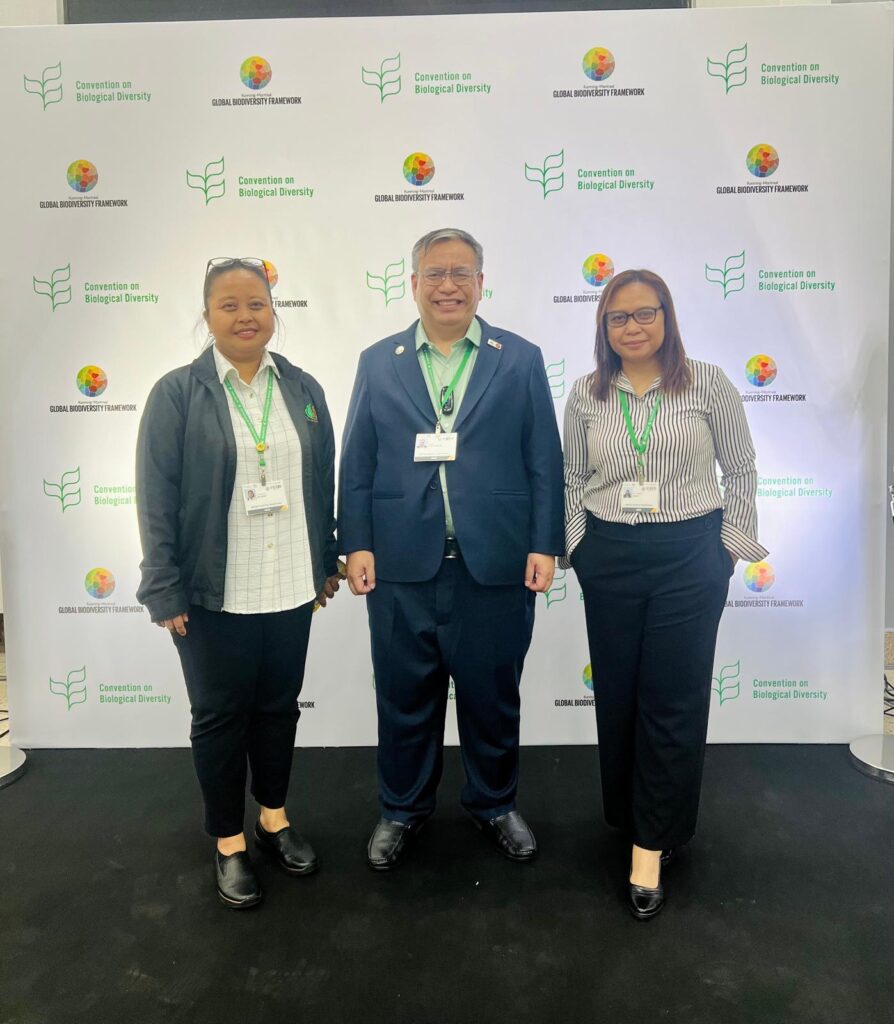
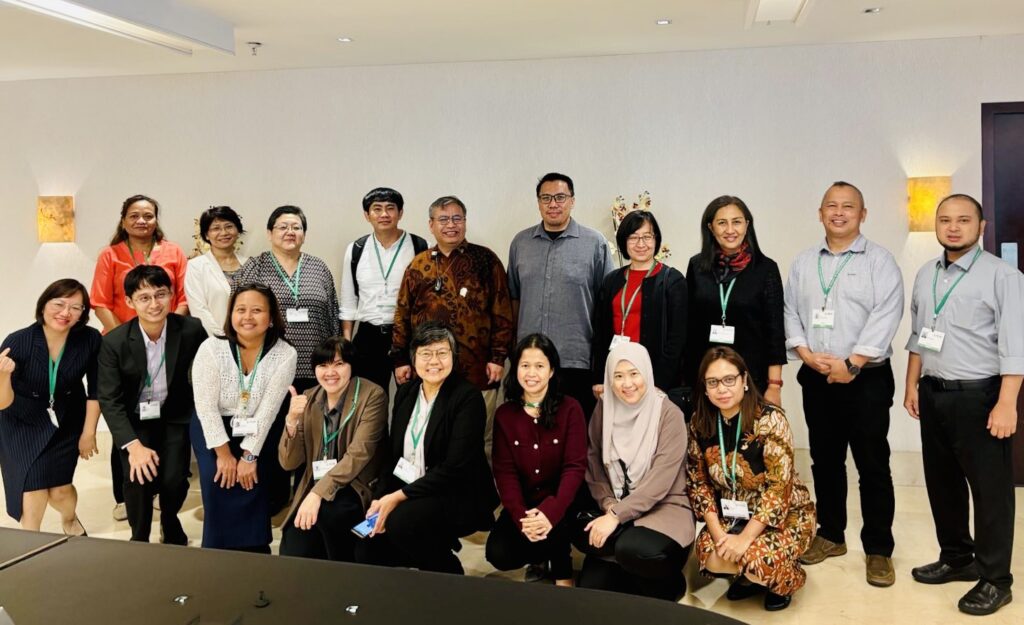
Representatives of the ACB at SBSTTA-27
Participation in SBSTTA-27 side events
The National Monitoring Support Initiative and the NBSAP Accelerator Partnership hosted a roundtable discussion titled “Bridging Gaps, Building Systems: Empowering Country-Led Biodiversity Monitoring and Regional Collaboration.” During the side event, Dr. Montemayor highlighted the common challenges countries face in setting up effective monitoring systems and emphasised the tailored strategies and support that the ACB, as the TSCC for Asia, can provide, ranging from capacity-building to regional data coordination and technical guidance aligned with the KM GBF goals.
Dr. Motemayor also participated in Advancing Implementation of Target 3 through a Community of Practice, another roundtable discussion. Organised by the CBD-World Committee on Protected Area (WCPA), Dr. Montemayor highlighted ASEAN’s growing leadership in achieving Target 3 of the KM GBF. Grounded in early He emphasised the ACB’s dual role as a TSCC and an active member of the Community of Practice, which includes supporting countries by identifying effective area-based conservation management strategies, providing training, and integrating biodiversity into national plans through protection gap studies and ongoing regional coordination. He also underscored the ACB’s convening power, from youth engagement to regional roundtables, and called for stronger partnerships to advance transboundary cooperation, conservation finance, and knowledge-sharing across Southeast Asia.
On the other hand, ACB Biodiversity Science Division Director Dr. Nur Gauch presented the ASEAN Biodiversity Dashboard in the “Pathways for Coordinated National Monitoring Systems” hosted by GBIF and GEO BON. She highlighted the Center’s close collaboration with GBIF in developing the dashboard—an open-access, centralised, and interoperable data system that showcases real innovation in biodiversity monitoring. The platform currently houses over 22 million species records and more than 2,600 protected areas, integrating tools like AI, GIS, remote sensing, and eDNA to support better data sharing and decision-making. Dr. Gauch emphasised that the dashboard is not just a data repository but also a strategic tool driving smarter conservation efforts across ASEAN, with plans to further expand its capabilities for species tracking, national reporting, and regional indicator alignment.
Nature, Networking, and Negotiations
During a UN Environment Programme (UNEP)-World Conservation Monitoring Centre (WCMC) guided tour, representatives from the ACB joined other meeting participants in exploring the Metropolitan Natural Park. This enabled the participants to observe some native species of Panama.
The ACB also organised the ACB@20 Special Lunch event in collaboration with the ASEAN Member States and Timor-Leste. During the event, Dr. Montemayor announced the 8th ASEAN Heritage Parks (AHP) Conference, which will be hosted by Viet Nam in December this year.
On the last day of SBSTTA-27, the plenary closed with final recommendations officially adopting almost all agenda items, a solid step forward for global biodiversity goals.
Meanwhile, the ACB team was in the thick of things. The team joined a dynamic side event on Target 2, all about ecosystem restoration. The conversations dug into the real-world challenges, like limited funding, restoration roadblocks, and the crucial role of Indigenous knowledge. There were also inspiring stories of progress from ASEAN, Latin America, and Africa, showing us what’s possible when restoration gets real support.
ACB’s Acting Director of the Programme Department, Director Corazon de Jesus, Jr., took the spotlight as a panelist during the launch of the Target 2 Roadmap: Collaboratively Charting the Path Towards the Global Ecosystem Restoration Target. This event, led by the FAO, brought together key players to fine-tune action plans for Target 2 of the Global Biodiversity Framework. The focus? Providing practical technical support and guidance for all kinds of ecosystem restoration efforts. ACB joined forces with partners such as FAO, SCBD, and SER, tapping into our role as a TSCC.
At another side event, Dr. Nur Gauch, ACB’s Director of the Biodiversity Science Division, shared insights at “Enhancing the Role of Knowledge Holders in CBD,” hosted by CO-OP4CBD. She walked attendees through how ACB’s TSCC efforts are helping countries push past common roadblocks in implementing the Global Biodiversity Framework. The key message? the need for more training, stronger data systems, and tighter partnerships to bring the KMGBF to life where it counts on the ground.
The ACB organised a luncheon that brought together representatives of the ASEAN Member States at SBSTTA-27 in Panama.
In Summary: ACB’s Key Takeaways from SBSTTA-27
Throughout the week, ACB reaffirmed its role as a connector, bringing together science, collaboration, and partnerships to help ASEAN countries meet their biodiversity goals.
Some of the major outcomes from SBSTTA-27 included the adoption of a supportive, non-punitive global review process, updated guidance on LMO (Living Modified Organism) risk assessment, and enhanced collaboration with FAO on soil biodiversity. Delegates also made progress on developing indicators to monitor the Kunming-Montreal Global Biodiversity Framework (KMGBF). However, several key issues remain under discussion, including how to better integrate IPBES science, clarify the role of One Health, and strengthen future coordination with the Rio Conventions.
ASEAN + India Priorities at a Glance:
- Indonesia emphasised transparency in the global review, more marine biodiversity protections, and stronger pollinator platforms.
- Lao PDR highlighted the need for funding and technical support.
- Malaysia pushed for One Health integration and alignment with the Nagoya Protocol.
- India advocated for mainstreaming biodiversity into water, food, and health policy.
- Viet Nam proposed boosting cooperation across conventions and more tech transfer for developing nations.
What’s Next for ACB?
Following ACB’s active engagement in SBSTTA-27 and SB8J-1, several strategic recommendations and next steps may be considered to advance biodiversity goals across ASEAN and the wider Asia region:
1. Strengthen ASEAN’s Role in the KMGBF Global Review
With the adoption of a supportive global review process at SBSTTA‑27, ASEAN has an opportunity to shape how progress under the KMGBF is assessed. ACB should continue assisting ASEAN Member States in preparing evidence-based national reports and aligning review processes with national contexts and data capacities. Strengthening the regional voice in global dialogues will help highlight the unique biodiversity challenges and successes of the ASEAN region.
2. Expand and Operationalise Regional Biodiversity Monitoring Systems
ACB should continue to enhance the ASEAN Biodiversity Dashboard, integrating additional data sources and advanced tools such as AI, GIS, remote sensing, and eDNA. Capacity-building on data management, interoperability, and community-based monitoring will be essential to support Member States in meeting KMGBF reporting requirements. Strengthening data governance and knowledge-sharing platforms will further improve national and regional decision-making.
3. Accelerate Implementation of Targets 2 and 3
To advance ecosystem restoration under Target 2, ACB can deepen its technical support in restoration planning, sustainable financing, and cross-border collaboration. For Target 3, ACB should continue supporting OECM identification and management effectiveness assessments, while facilitating peer learning on protected area governance. Collaboration with Indigenous Peoples and Local Communities (IPLCs) will remain vital to ensure conservation approaches are inclusive and grounded in local knowledge and stewardship.
4. Strengthen Partnerships for Capacity Development and Technical Cooperation
ACB shall continue leveraging its role as the TSCC for Asia by deepening partnerships with FAO, UNDP, UNEP‑WCMC, CBD, WCPA, GBIF, GEO BON, and other technical bodies. Joint programmes, training workshops, and pilot initiatives can help build institutional capacity across Member States. Emphasis on co-developing tools and guidance will ensure solutions are aligned with local contexts and needs.
5. Advance ASEAN’s Regional Priorities Ahead of SBSTTA‑28 and COP‑17
Ahead of SBSTTA‑28 and COP‑17, ACB shall coordinate consolidated regional positions on outstanding issues such as IPBES uptake, One Health integration, and coordination under the Rio Conventions. Regional technical consultations, policy dialogues, and coordinated submissions will strengthen ASEAN’s collective negotiation stance and visibility in global biodiversity governance.
7. Prepare for Follow-up on SB8J‑1 Outcomes Ahead of COP‑17
Given that discussions on SB8J’s working modalities and terminology will resume at COP‑17 in 2026 in Armenia, ACB shall support AMS in reviewing options and consolidating perspectives. This includes clarifying the use of terms related to Indigenous Peoples and Local Communities, as well as supporting AMS in identifying pathways to integrate Traditional Knowledge into KMGBF reporting in a voluntary and nationally appropriate manner.